Fleet fuel management means controlling, verifying, and reporting on every litre your business buys, in place of paper receipts and manual reconciliation. For South African SMEs, it closes the gap between what a fleet spends on fuel and what it can actually account for, cutting cost and fraud without adding admin.
Introduction
You already know fuel is one of your biggest operating costs. Most South African SMEs still run it through paper slips, generic fleet cards, or a spreadsheet someone updates at month-end. It works, until it doesn’t. Receipts go missing. A card gets shared between drivers. Nobody notices a vehicle using more fuel than it should until the bill is already too high to explain.
This guide covers what fleet fuel management means, how it works day to day, and how a structured fuel programme brings your fuel spend under total control.
What Is Fleet Fuel Management?
Fleet fuel management is exactly what it sounds like. It’s about controlling every litre your business buys, knowing who bought it, and seeing where it went.
That’s narrower than general fleet management, which also covers GPS tracking, maintenance, and driver behaviour. A fleet can run well on that side and still lose money on fuel, because fuel has its own failure points: shared cards, unverified fill-ups, and reconciliation that happens weeks after the transaction instead of at the pump.
That’s the gap fleet fuel management closes. Which vehicle. Which driver. Was the fill legitimate?
How Fleet Cards Work
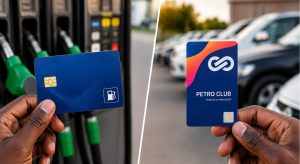
Traditionally, a fleet card ties fuel purchases to a business account rather than a driver’s own wallet. The driver refuels. They authorise the transaction. The cost goes to the fleet account, not their pocket.
Not every programme works the same way, though. Newer fleet fuel programmes may replace or supplement the card with a vehicle-linked Smart Tag and a driver PIN, checked together at the pump. A PIN alone is easy to share between vehicles or drivers. Checked together, they close that gap, because neither one works without the other.
For the full mechanics, how a fleet card transaction actually works walks through each step from arrival at the pump to the transaction landing in your dashboard.
Preventing Fuel Theft and Fraud
Fuel fraud is a real cost for South African fleets, and it’s often invisible until someone adds up the numbers. Two patterns show up most: ghost fills, where fuel is claimed but never actually dispensed, and card sharing, where one card gets used across vehicles it was never meant for.
Both rely on the same weakness: a credential that isn’t tied to the vehicle standing at the pump. Checking the Smart Tag and driver PIN together stops that. A stolen PIN or a shared card is useless without the matching vehicle also there.
For the full breakdown of fraud types and how verification stops each one, see how Smart Tags prevent fuel theft.
Monitoring Fuel Use Across Your Fleet
Stopping fraud at the pump is only the start. Knowing what’s happening across your whole fleet, day to day, matters just as much, and you shouldn’t need to wait for month-end to spot a problem.
Per-vehicle history flags when a specific vehicle’s fuel use starts drifting from its normal pattern, worth a closer look. Per-driver history matters just as much where a pool of drivers shares fewer vehicles. See both in real time, and you catch a problem the same day it happens, not weeks later.
That matters even more for trucks and long-haul routes, where higher volumes and longer distances make manual tracking impractical. Fuel monitoring for truck fleets covers what a monitoring system should track for heavier operations.
Choosing the Right Fuel Management System
Once you’ve decided fuel needs proper oversight, the next question is which system to run it on. Three broad categories.
- On-premise: a business-owned tank and dispensing setup on site, with the upfront cost and upkeep that comes with owning it.
- Card-based: fuel bought at third-party stations against a card, often tied to a credit facility or a post-paid account.
- Prepaid wallet: funds loaded upfront, drawn down per transaction, no credit risk to your business.
Each suits a different kind of fleet, and the right choice depends more on cash flow and fleet size than most buyers assume. For a side-by-side comparison of cost, credit risk, and flexibility, read comparing fleet fuel management systems.
What Fits Your Fleet Size in South Africa
System type is only half the decision. Fleet size and the station network you actually need change which option makes sense.
A small fleet under ten vehicles usually needs simplicity over volume-based savings. A mid-size fleet needs more structure once driver rotation and per-vehicle reporting start to matter. Larger and multi-depot fleets need real-time alerts and multi-site visibility as standard, not an extra.
South African fleets also cover long routes and rural stretches. The best fuel programme in the world doesn’t help if your drivers can’t find a station.
Choosing a fuel management system for South African fleets breaks this down by fleet size, route pattern, and budget.
Fleet Cards vs Fuel Cards
“Fleet card” and “fuel card” get used interchangeably, but they aren’t the same thing, and mixing them up means comparing the wrong category of product.
A fuel card is usually tied to one fuel brand, built around a single credential with little reporting beyond basic purchase tracking. A fleet card is the broader category: multiple vehicles under one business account, with spend controls, reporting, and often multi-brand station access.
The real difference isn’t the name. It’s the control behind it. See fleet card vs fuel card for the full comparison, and which one your growing business should be looking for.
How Petro Club Supports Fleet Fuel Management
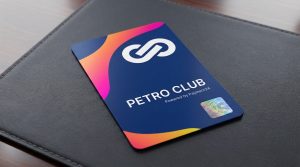
This is where everything above comes together. Petro Club runs on Payment24 technology. One network. One fee. Total control.
Every vehicle gets a Smart Tag. Every driver gets a PIN. Both are checked together at the pump, so ghost fills and card sharing don’t get a chance to cost you anything.
You load funds into a prepaid wallet. Every authorised transaction draws from that balance, no credit risk to your business. Every transaction lands in your dashboard with the vehicle, driver, station, litres, and value attached. No paperwork. No reimbursements. No guesswork.
A brilliant system isn’t much use if your drivers can’t find a station. Petro Club connects you to more than 2,000 participating service stations nationwide, so you’re not limited to one fuel brand or one region. Fuel anywhere. Save everywhere.
Pricing is fixed at R99 per vehicle per year. No monthly fees. No transaction fees. No hidden costs. Fleet accounts activate quickly once you register, and the minimum fleet size is five vehicles.
FAQs
What is fleet fuel management?
It’s the process of controlling, verifying, and reporting on fuel purchases across your vehicles: who bought it, for which vehicle, and whether the transaction was legitimate.
How much can a fleet realistically save with structured fuel management?
Savings come from reduced fraud and Petro Club’s fuel savings programme. The exact amount depends on your fleet size and fuel usage, so it varies business to business.
Is fleet fuel management only worth it for large fleets?
No. Petro Club’s minimum fleet size is five vehicles, and smaller fleets deal with fraud and reconciliation just as often as larger ones, simply at a smaller scale.
How quickly can a business get started?
Fleet accounts activate quickly after registration, with Smart Tags issued per vehicle and PINs assigned per driver as part of setup.
Conclusion
Fleet fuel management isn’t about adding admin. It’s about removing the blind spots that manual tracking and shared cards create. A Smart Tag and driver PIN stop fraud at the pump. Real-time visibility catches problems the same day. The right system, sized to your fleet, is what makes it hold up in practice.
One network. One fee. Total control over your fuel spend. If your business runs on fuel, Petro Club helps you run it better.
Get in touch with Petro Club to activate your account.