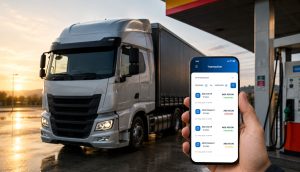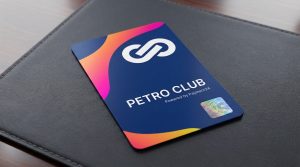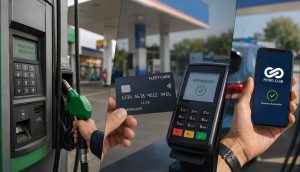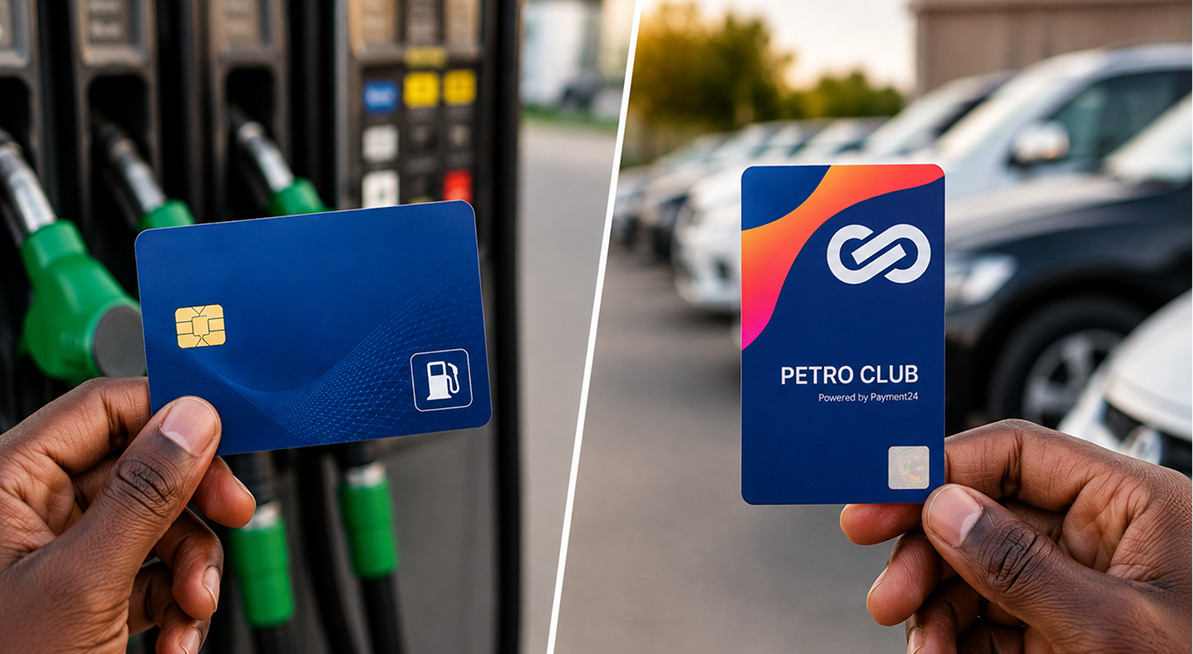
A fuel card is usually tied to one fuel brand and offers little beyond basic purchase tracking. A fleet card is the broader category: multiple vehicles under one business account, with spend controls, reporting, and often multi-brand station access. The terms get used interchangeably, but the products behind them aren’t the same.
Introduction
“Fleet card” and “fuel card” get used interchangeably by a lot of buyers, and most of the time nobody notices, because the two categories genuinely overlap in places. The problem starts when the wrong mental model leads you to compare the wrong category of product entirely, expecting fleet-level reporting from something that was only ever built to be a fuel brand’s loyalty card with a PIN attached.
This article sets out the real difference: what each term actually means, where they overlap, and which one a growing South African business should actually be looking for.
What Is a Fuel Card?
A fuel card is typically tied to one fuel brand, or a narrow network run by that brand. It’s usually built around a single card and a PIN, and its main job is to let a driver buy fuel without paying cash at the pump.
Beyond that, most fuel cards don’t do much. You get a statement at month-end showing what was spent. You don’t get real-time visibility into which vehicle bought what, you don’t get per-driver limits, and you’re locked into whichever stations that fuel brand happens to operate. For a business running one or two vehicles, that might be enough. For a growing fleet, it usually isn’t.
⚠️ Fuel Card Limitations: Single brand only, no real-time reporting, no per-driver limits, month-end statements only. Not built for growing fleets.
What Is a Fleet Card?
A fleet card is the broader category. It’s built to cover multiple vehicles under a single business account, rather than a single card tied to a single driver’s habits.
That means reporting by vehicle and by driver, spend controls that cap what any one vehicle or driver can authorise, and, in most cases, access to more than one fuel brand’s stations rather than being locked to a single network. The point of a fleet card isn’t just to pay for fuel without cash. It’s to give the business running the fleet actual oversight over how that fuel gets spent.
✅ Fleet Card Advantages: Multi-brand access, per-vehicle reporting, spend controls, real-time visibility. Built for businesses with growing fleets.
Where the Two Overlap
In practice, plenty of products blur the line. Some fuel-brand cards have added basic per-vehicle tracking. Some fleet cards are still tied to one network. The label on the product doesn’t always tell you which category you’re actually getting.
That’s why the meaningful difference isn’t the name on the card. It’s what controls and visibility sit behind it. Ask what happens when a card is used, not what the card is called, and you’ll get a much clearer answer about which category you’re really looking at.
Single-Brand vs Multi-Brand Network Access
Being locked to one fuel brand’s stations matters more than it looks like on paper, especially for a fleet that travels across regions rather than staying within one city.
A single-brand card only works where that brand has a station. If your routes take drivers through areas that brand doesn’t cover well, you either detour to find a station or the card becomes useless exactly when a driver needs it most. A card that works across a wider, multi-brand network solves that at the source: wherever the fleet actually drives, refuelling isn’t a problem to plan around.
This is one of the clearest practical differences between a basic fuel card and a proper fleet-level product, and it’s usually the first thing a growing business notices once its routes start extending beyond a single area.
Spend Controls and Reporting: The Real Differentiator
This is where the real difference between the two categories shows up.
- Per-vehicle limits – a single vehicle can’t be used to authorise more fuel than its normal pattern would suggest
- Per-driver limits – do the same from the driver’s side
- Real-time reporting – every transaction (vehicle, driver, station, litres, value) lands in a dashboard the moment it happens
We’ve covered the Smart Tag and driver PIN verification behind this, and the dashboard it feeds, earlier in this guide. The short version here: those two things together are what actually separate a basic fuel card from a proper fleet fuel management product. Everything else – the branding, the card design, the loyalty points – is secondary to whether the business running the fleet can actually see and control what’s happening.
📊 Key Differentiator: A proper fleet card gives you real-time visibility and spend controls. A basic fuel card gives you a month-end statement. That’s the real difference.
Which One Fits a Growing SA Business
A single fuel card tends to outgrow a business fast, usually somewhere around the point where it has more than one or two vehicles on the road. Once you’re managing more than a couple of vehicles, or more than one driver per vehicle, the lack of per-vehicle and per-driver visibility starts costing you more than the card ever saved you.
At that point, look for three things:
- Reporting that breaks down by vehicle and driver
- Spend controls that actually cap what can be authorised
- Station access wide enough to match where your fleet actually operates
If a product can’t offer at least those three, it’s still a fuel card wearing a fleet card’s name.
FAQs
Is a fleet card more expensive than a fuel card?
Not necessarily. A basic fuel card can look cheaper upfront, but a fleet card’s spend controls and reporting are what actually prevent the fraud and reconciliation costs that erode those apparent savings over time.
Can a fleet card be used at multiple fuel brands?
Often, yes – that’s one of the main advantages over a single-brand fuel card. Coverage depends on the specific provider and network, so it’s worth checking how many stations and brands are included before choosing one.
Does a fleet card require a credit facility?
It depends on the underlying system. Card-based models are often tied to a credit or invoiced account, while prepaid wallet models avoid credit exposure entirely by drawing down from funds loaded upfront.
What’s the minimum number of vehicles worth switching for?
There’s no universal number, but once a business is juggling more than one or two vehicles, or more than one driver per vehicle, the visibility a fleet card provides tends to justify the switch. Petro Club’s own minimum fleet size is five vehicles.
Conclusion
The terminology matters less than the controls behind it. A card can call itself either one and still leave you without real visibility into your fuel spend.
Petro Club is built as a fleet-level product from the ground up: a Smart Tag and driver PIN checked together at every fill, real-time reporting by vehicle and driver, and access to more than 2,000 participating stations nationwide, all on a prepaid wallet with no credit risk. One network. One fee. Total control. Pricing is fixed at R99 per vehicle per year, with no monthly fees and no transaction fees.
If your business has outgrown a basic fuel card, get in touch with Petro Club to see your fleet’s pricing and activate your account.