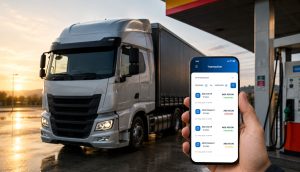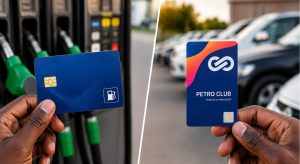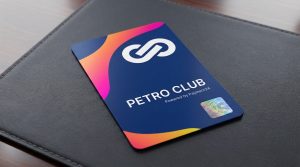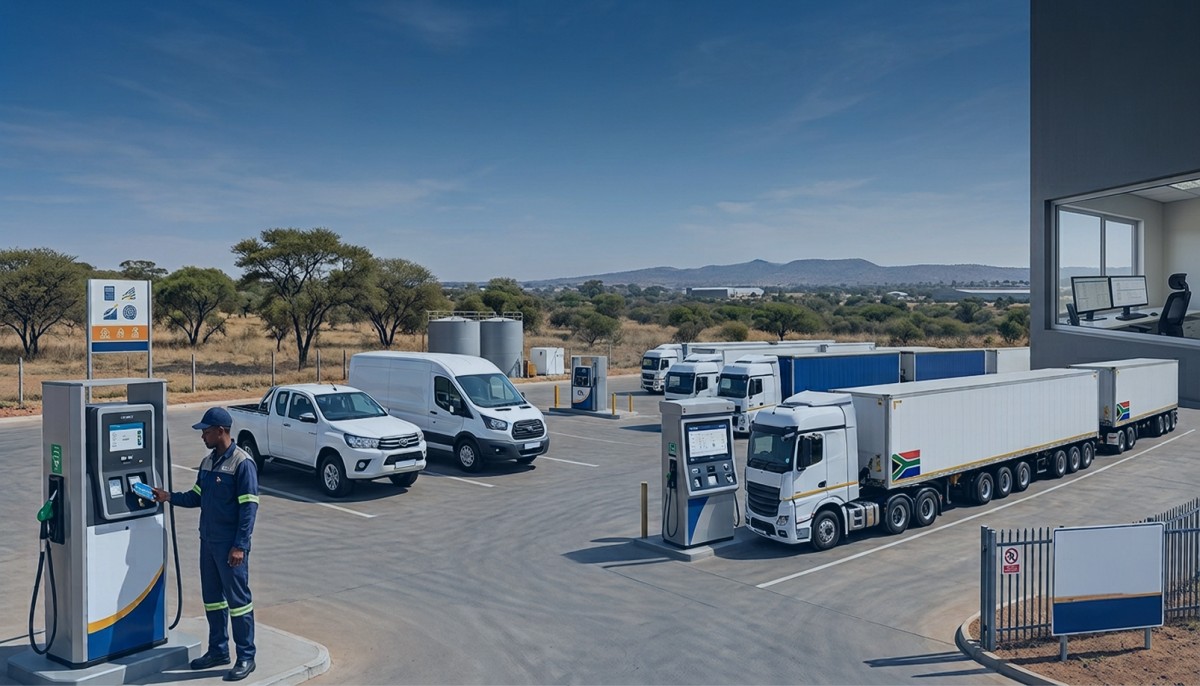
The right fuel management system for a South African fleet depends on more than the system type. Fleet size, route pattern, station coverage, and cash flow all change the answer, and what suits a five-vehicle fleet in one city looks nothing like what a fifty-vehicle fleet running national routes needs.
.
Introduction
Once you know the three system types exist — Windshield Tag, Open Loop Card, and On-Premise — the real question is which one fits your size, your routes, and your cash flow. Not which one is theoretically best. This is the decision layer, not a repeat of that comparison.
Why “Right Fit” Depends on More Than System Type
A generic comparison stops at setup cost and credit risk. It doesn’t account for how far your vehicles actually travel, how many sites you run from, or how local station coverage changes what “flexible” even means.
Those are the South African-specific factors this article covers.
🇿🇦 South African Focus: Long routes, rural stretches, and multi-brand station access matter more in SA than generic system comparisons account for.
Small Fleets: 1 to 10 Vehicles
At this size, low overhead and simplicity usually matter more than volume-based savings. You’re not managing complex driver rotations or multiple depots, so the priority is a system that’s quick to set up and doesn’t add admin to your week.
✅ Recommended Solution: Mobile App, Driver Cards, or Windshield Tags.
Mid-Size Fleets: 10 to 50 Vehicles
Once you’re in this range, driver rotation and per-vehicle reporting start to matter more than setup simplicity. Drivers move between vehicles more often, so knowing which driver filled which vehicle, and when, becomes part of daily oversight rather than an occasional check.
✅ Recommended Solution: Windshield Tag is the perfect fit for this segment of customer. Windshield to get best discounts.
Larger and Multi-Depot Fleets
Beyond that, multi-site management changes the picture again. Real-time alerts stop being a nice-to-have and become the baseline, because with vehicles and drivers spread across depots, you need to know about a problem the same day, not when someone eventually notices it.
✅ Recommended Solution: Windshield Tag & Open Loop Card are the perfect fit for this segment of customer.
- Windshield Tag: To get best discounts and to use for non-financial transactions at home bases (on-premise).
- Open Loop Card (EMV Fleet Card): At any service station in South Africa including tolls and repairs, making it convenient for large national operators.
Why Station Coverage Matters More in South Africa
South African fleets deal with long routes and rural stretches that a lot of generic system comparisons don’t account for. A system is only as useful as the number of partner stations it actually reaches nationally.
Petro Club’s network covers more than 2,000 participating stations, so fleets running beyond a single city or region aren’t limited to wherever one fuel brand happens to have a presence.
⛽ 2,000+ Stations Nationwide: Petro Club connects you to international brand stations across South Africa — urban, rural, and long-haul routes.
Budget and Cash Flow for South African SMEs
Setup cost versus ongoing fees is one part of the budget question. Credit exposure is the other, and it looks different for South African SMEs than the general credit-risk point covered in our system comparison.
Local lending conditions mean not every SME can, or wants to, extend a credit facility to a fuel provider. A prepaid model sidesteps that entirely: you load funds upfront, spend against that balance, and never carry a credit exposure tied to your fuel programme.
FAQs
What’s the minimum fleet size worth formalising fuel management for?
Petro Club’s minimum is five vehicles. Below that, informal tracking may still work, but fraud and reconciliation issues tend to show up at smaller scales too, just with smaller numbers attached.
Can a small SA business access these systems without a credit facility?
Yes, with a prepaid wallet model. Funds are loaded upfront, so there’s no credit application or credit exposure involved.
How easy is it to switch systems later?
Moving between systems means re-issuing whatever credential the new one uses — a card or a Smart Tag — and setting up your vehicles and drivers again on the new platform.
Does invoicing support VAT reconciliation?
Every transaction is logged with the value, station, vehicle, and timestamp, giving your business the transaction-level detail needed for your own VAT reconciliation process.
Conclusion
Once fleet size and budget point you toward a system, the last decision is the card product itself, and that’s where terminology starts to matter. See fleet card vs fuel card for the final piece of the picture.
Get the Right Fit for Your Fleet, Not a Generic Package.